Hysterectomy recovery • First week

Hysterectomy Recovery Must-Haves & Nice-to-Haves

Comfort items, recovery supplies, and setup changes for the most common first-week problems—from getting out of bed to finding a waistband that does not feel personally offensive.

Jump to recovery basics
Luxurious teal and cream recovery bedroom with supportive pillows, a robe, water, crystals, and carved mandala details
Prepare the space first. Let recovery be the only job afterward.

The short answer

What Do You Really Need After a Hysterectomy?

Start with your surgeon’s discharge instructions, the medications your care team approves, a safe place to rest, hydration, loose clothing, and help at home. The items below are the ones that solved a specific recovery problem for me—bending, sleeping, coughing, getting dressed, or keeping necessities within reach.

Open the complete hysterectomy preparation checklist →
01

Set it up before surgery

Your recovery station

I could not bend down—or even lean over comfortably—for my entire six-week recovery. That was my experience, and everyone heals differently, but putting everything at waist level before surgery would have saved me a lot of frustration.

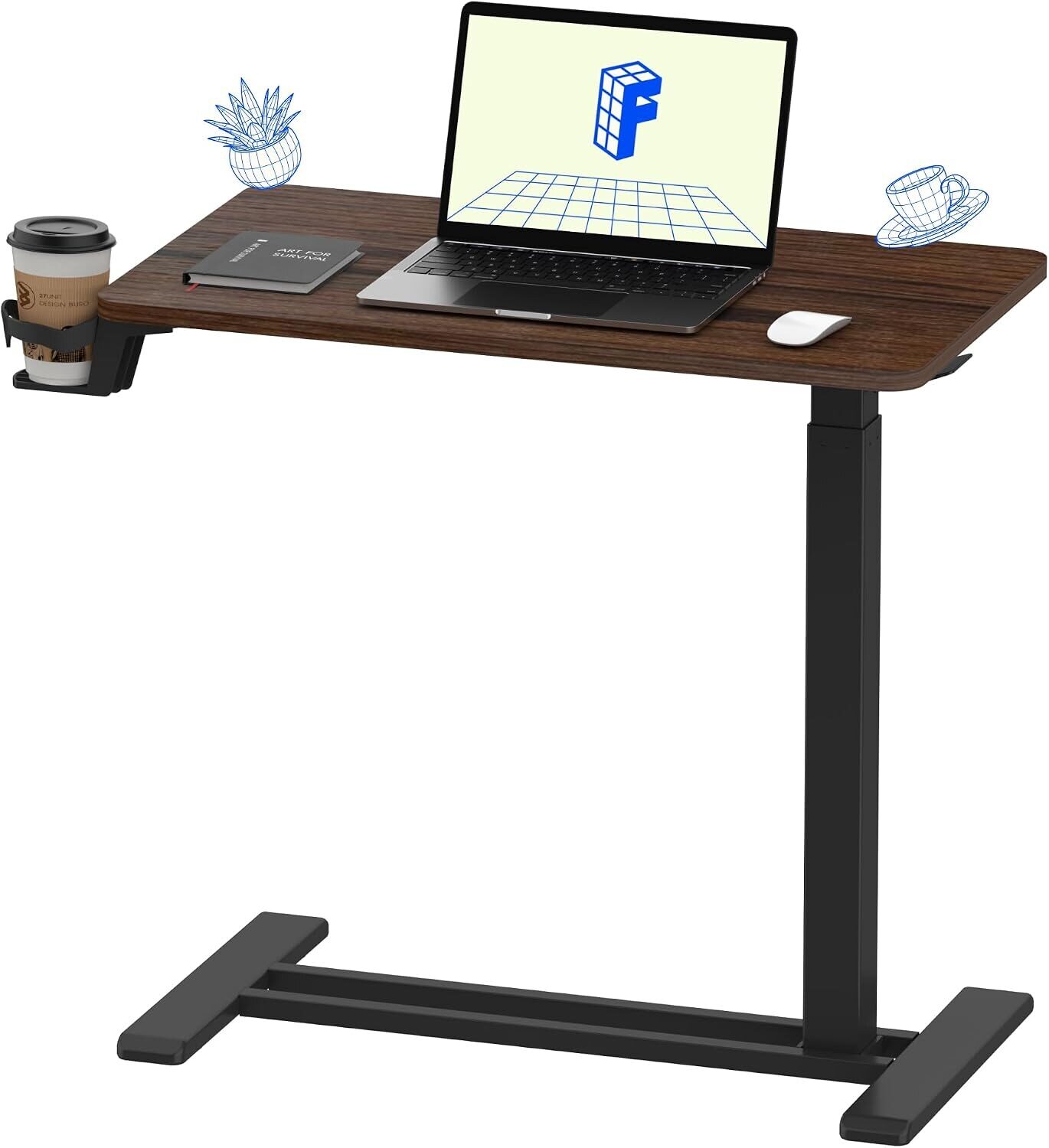
FLEXISPOT H7 rolling overbed table with a mahogany top and adjustable base

FLEXISPOT H7 rolling overbed table

This became command central for my medications, phone holder, charger, drink, tissues, and anything else I needed without bending or repeatedly getting up.

Set it up before surgery and check that the base clears your bed, couch, or recliner.See the exact one ↗
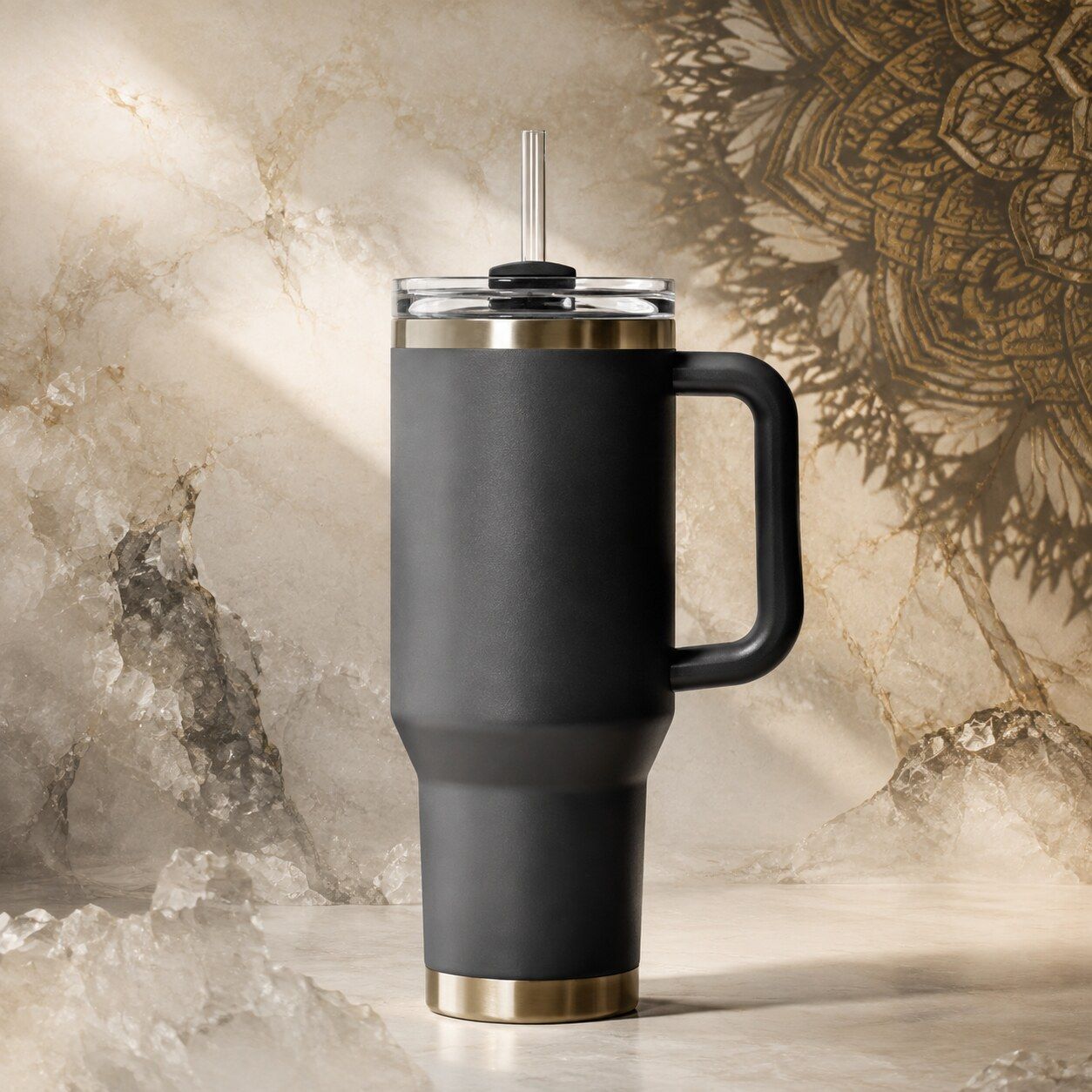
Neutral drink thermos styled with smoky quartz and antique-gold details

Drink thermos with a straw

Keeping a thermos at my recovery station made it much easier to sip without moving around and to stay hydrated while taking medications on schedule.

Choose something easy to lift, leak-resistant, and simple to clean.See the exact one ↗
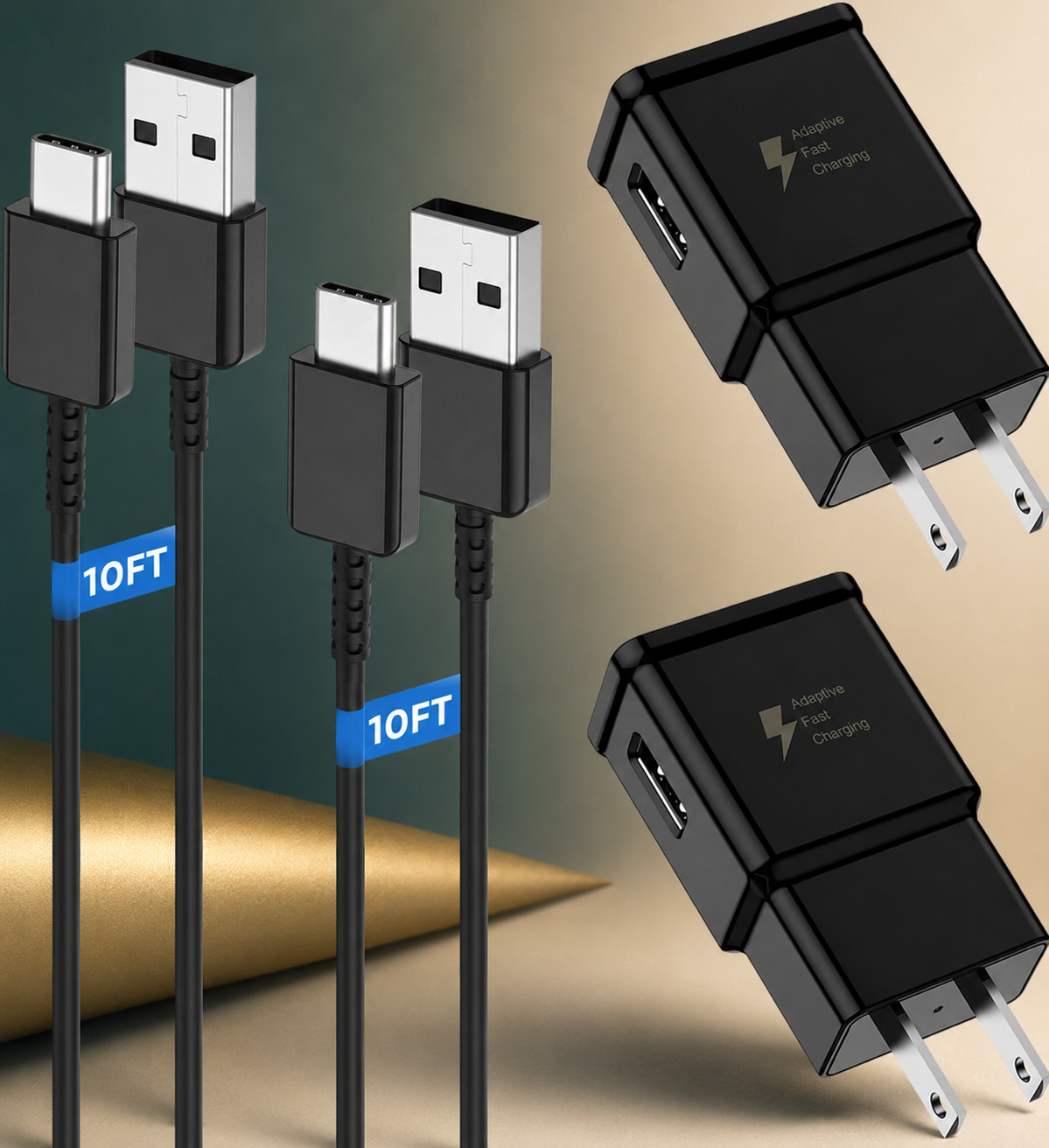
Extra-long charging cables and wall adapters

Extra-long charging cables

Let your phone reach your recovery spot without stretching, twisting, or getting up repeatedly.

Place and test them before surgery day so the cable reaches exactly where you will rest.See the exact one ↗
02

Protect & support

Core comfort

My abdomen felt vulnerable for weeks. The right support made coughing, sneezing, car rides, and living with a very curious German Shepherd feel much less intimidating.

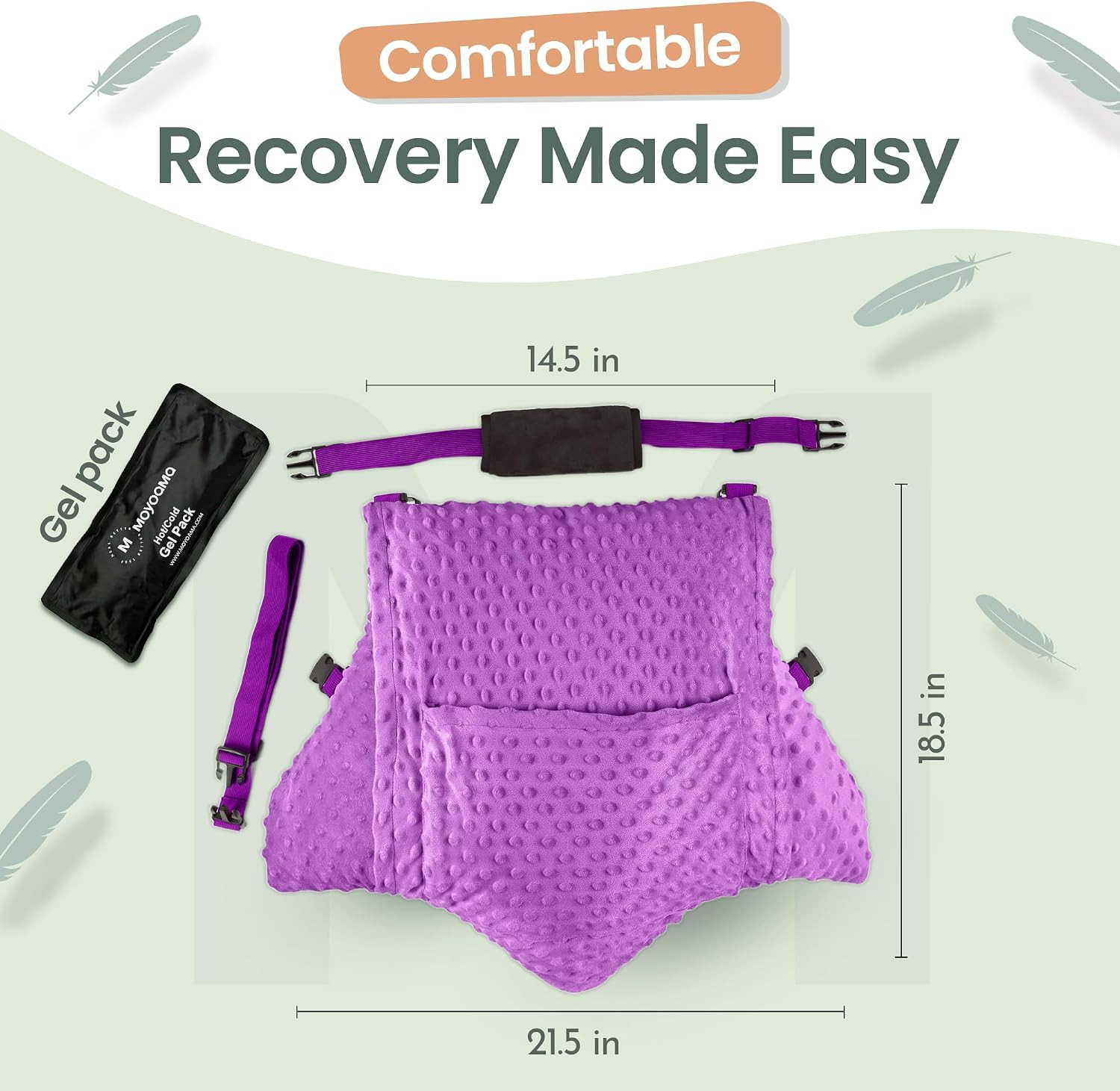
Purple abdominal recovery pillow with adjustable straps, pocket, and gel pack

Abdominal recovery pillow

I wore mine for the first three weeks. The neck and waist straps were critical during car rides, coughing, sneezing, and every time Rory charged over to investigate why I was moving so strangely.

That pillow protected me more times than I can count. It became my security blanket.See the exact one ↗
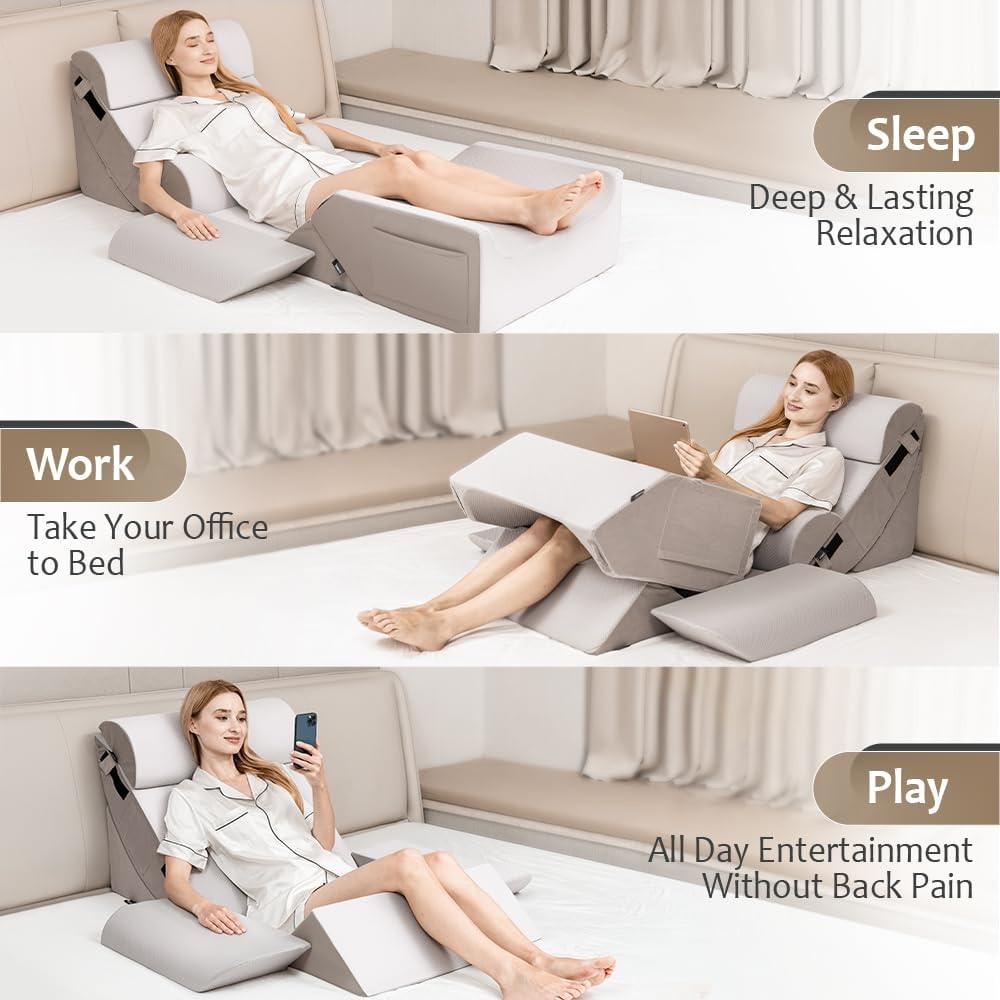
Adjustable wedge pillow set in several configurations

Adjustable wedge pillow set

Creates supported positions for sleeping, sitting up, or elevating your legs without putting unnecessary strain on a tender core.

Especially helpful when your usual sleep position is temporarily off-limits, including for side sleepers adjusting to sleeping on their back.See the exact one ↗
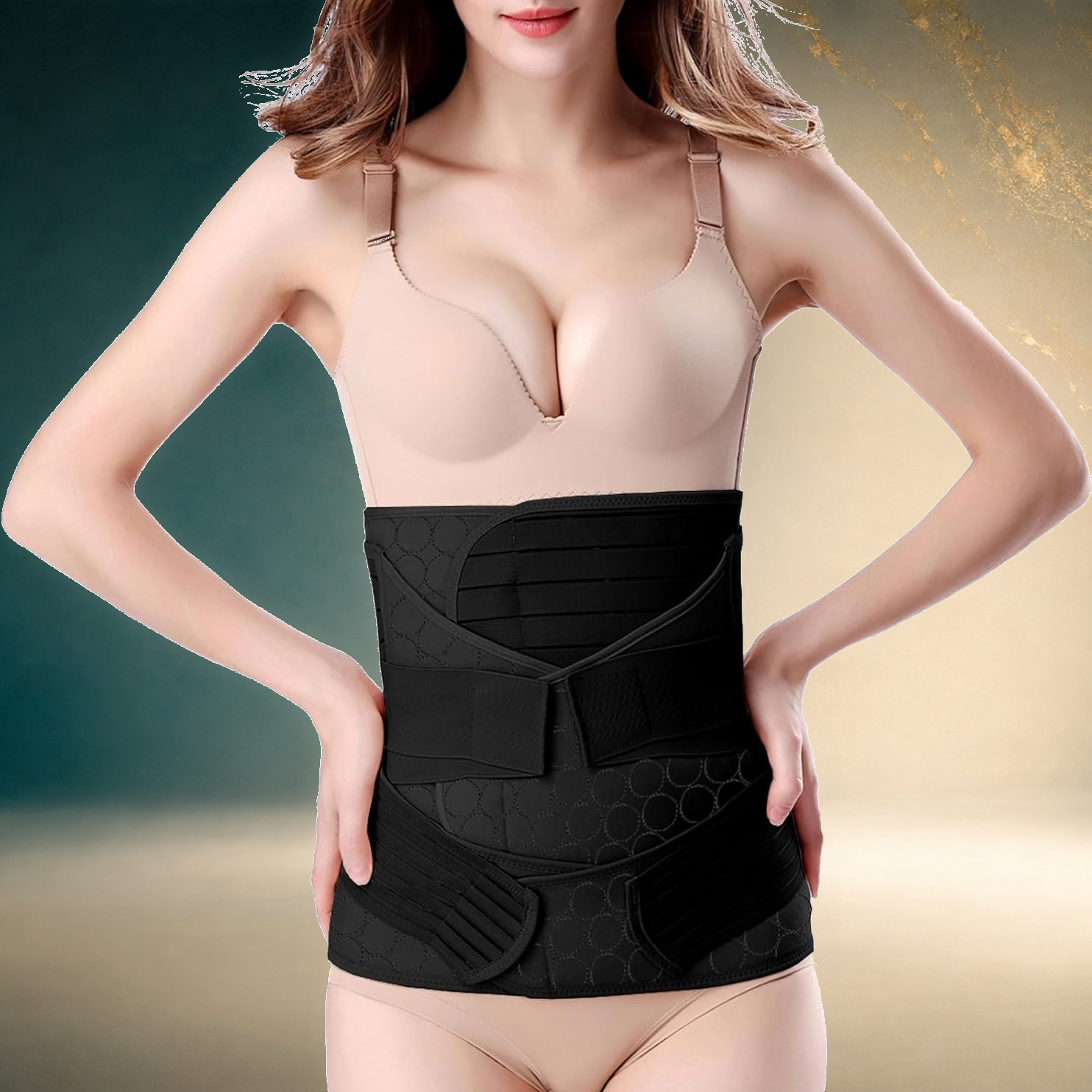
Black adjustable abdominal support binder

Adjustable abdominal binder

Can add a sense of stability during movement when it fits your surgeon’s recovery instructions.

Use only with approval from your surgical team.See the exact one ↗
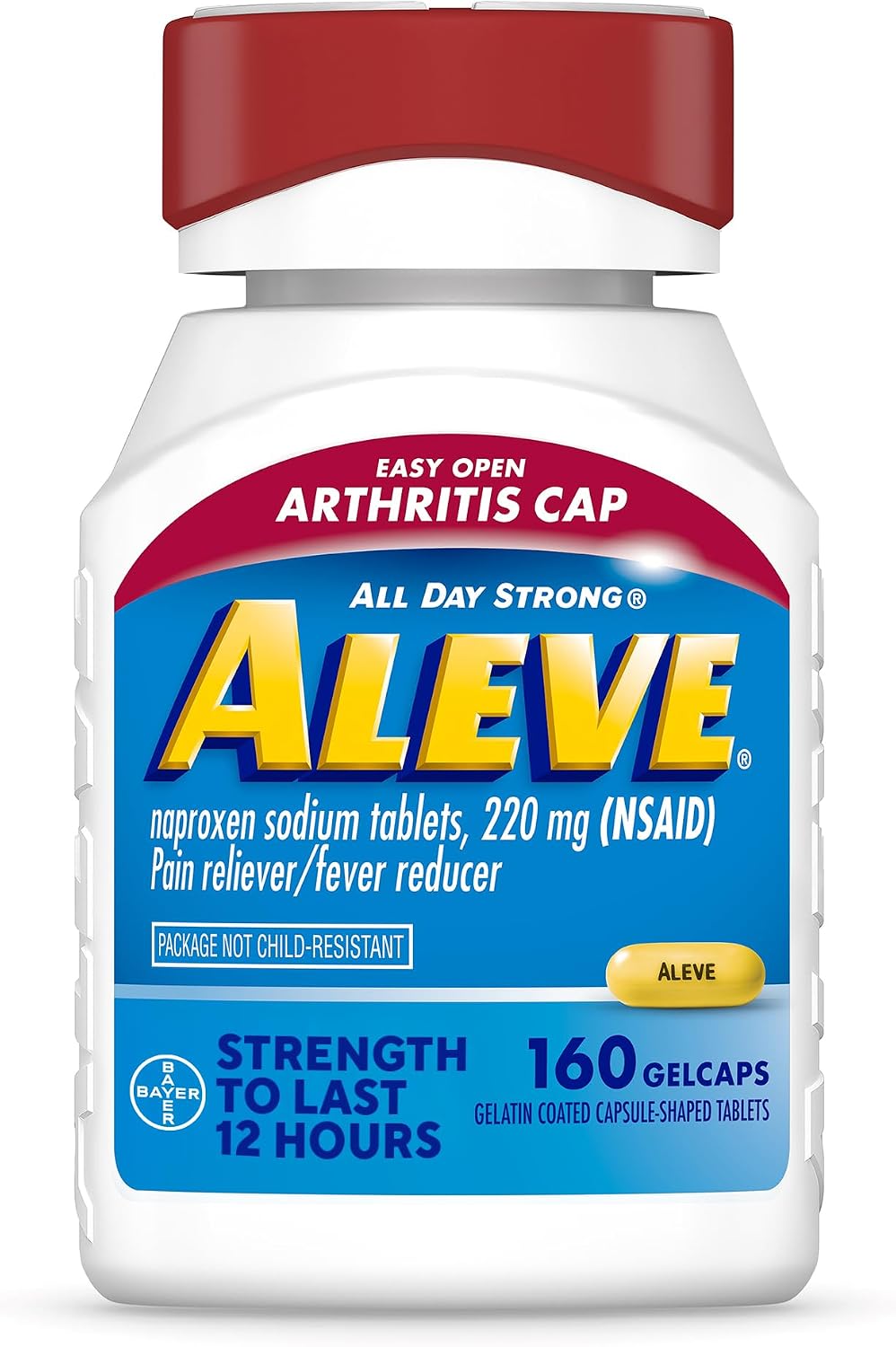
Aleve naproxen sodium 220 mg pain-relief gelcaps in the 160-count bottle

Aleve for later pain control

After I finished the pain medication prescribed for me, Aleve was what I personally used for additional pain control.

Personal experience—not medical advice. Naproxen is an NSAID and is not safe for everyone after surgery. Ask your surgeon or pharmacist before taking it, follow the label, and do not combine it with ibuprofen, aspirin, or another NSAID unless your clinician specifically instructs you to.See the exact one ↗
03

What I actually wore

Loose, soft, and absolutely no waistband drama

Bloating lasted longer than I expected, and anything restrictive near my incision was immediately offensive. Pockets were surprisingly important because they kept my phone and tissues with me while I moved around.

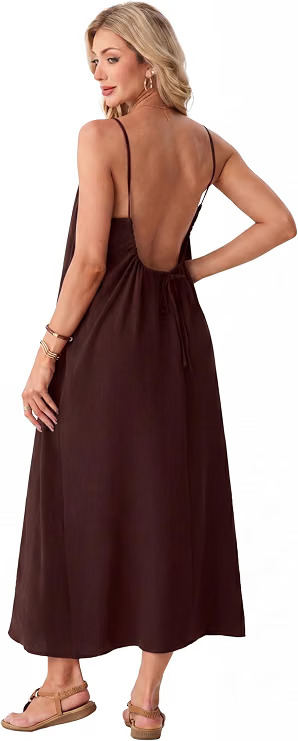
Long chocolate satin nightgown with a loose waist and open back

Long, loose nightgown with pockets

I lived in a long, loose nightgown for the first week. Nothing pressed against my abdomen, and the pockets kept my phone and tissues within easy reach.

Look for a roomy shape, soft fabric, and pockets deep enough to be useful.See the exact one ↗
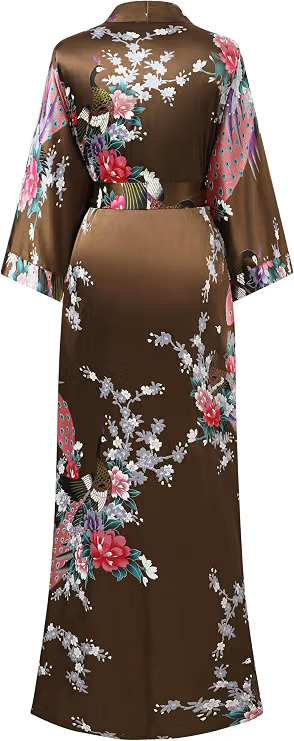
Full-length chocolate satin robe with a colorful floral and peacock print

A robe that makes you feel human again

Once I started moving around more, I wore my robe around the house. It was still loose and comfortable, but it helped me feel a little more put together.

Again: pockets. Recovery apparently turns pockets into a personality trait.See the exact one ↗
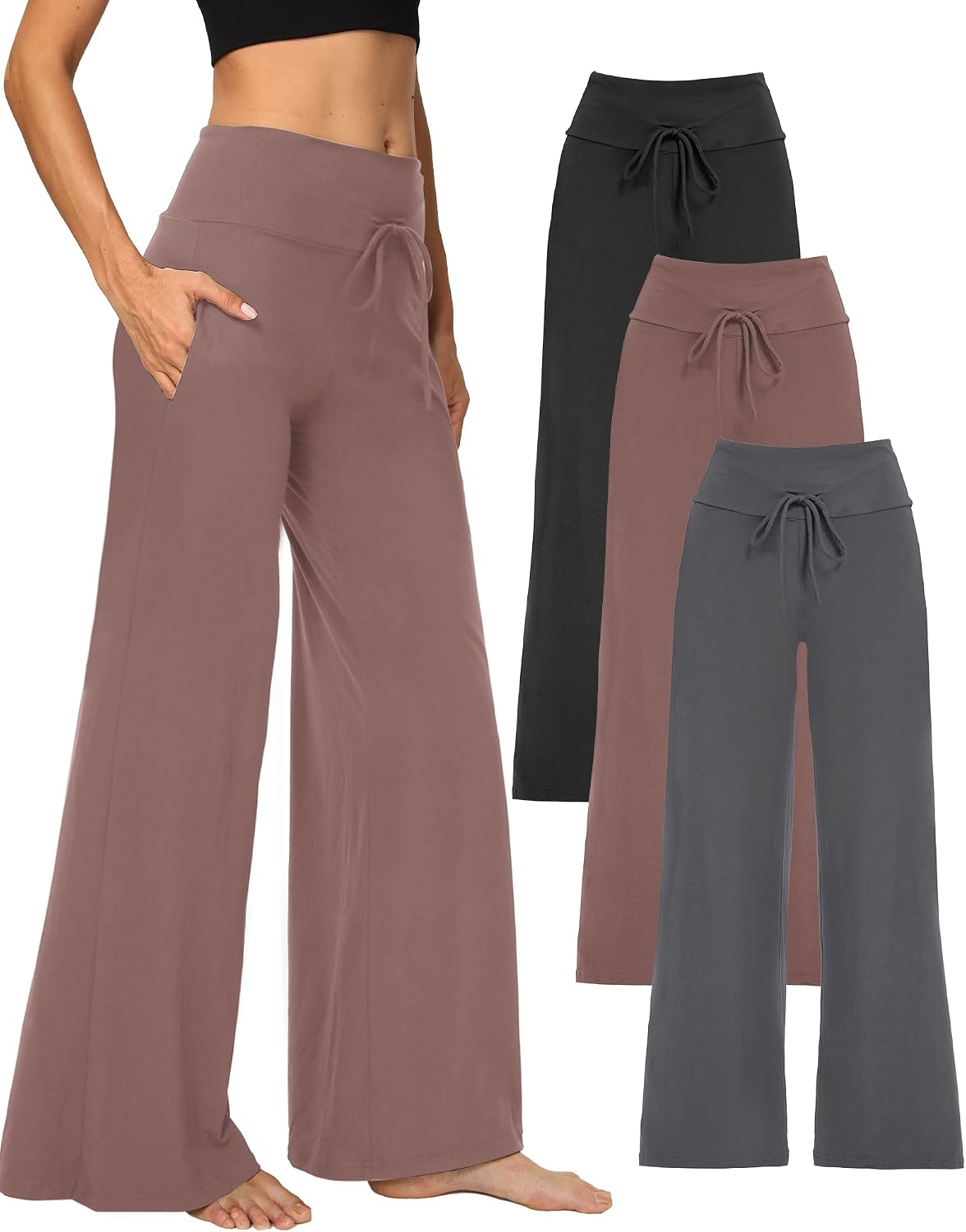
Showitty three-pack of soft wide-leg pants with fold-over waistbands and pockets

The softest-waist pants I found

These were the most comfortable pants I found during and after recovery. The flexible waistband did not bother my incision marks and adapted to the bloating that hung around after surgery.

A soft, nonrestrictive waistband is the entire assignment.See the exact one ↗
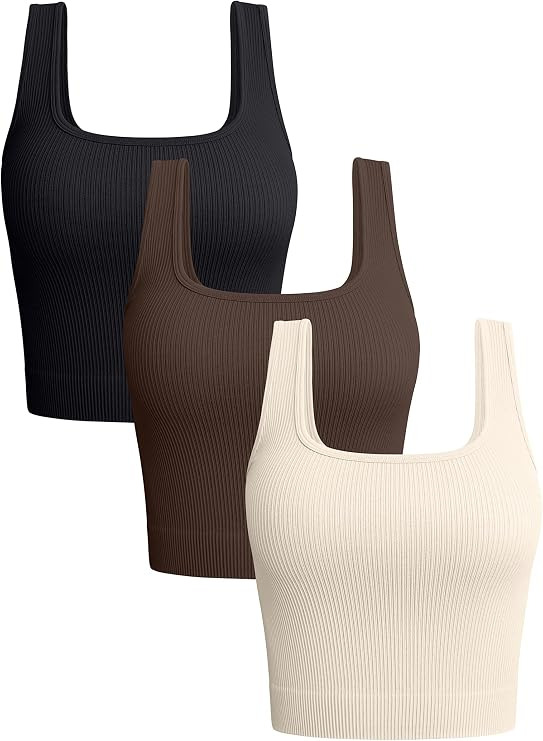
Three ribbed square-neck tank tops in black, chocolate brown, and cream

Soft ribbed tanks for easy layering

A stretchy tank is an easy base layer with soft-waist pants or under a robe, without adding another restrictive waistband near your abdomen.

The black, chocolate, and cream set keeps the recovery wardrobe simple and easy to mix.See the exact one ↗
04

Freshen up & move safely

Hygiene and independence

A few unglamorous tools made it much easier to handle daily life while showering and bending were limited.

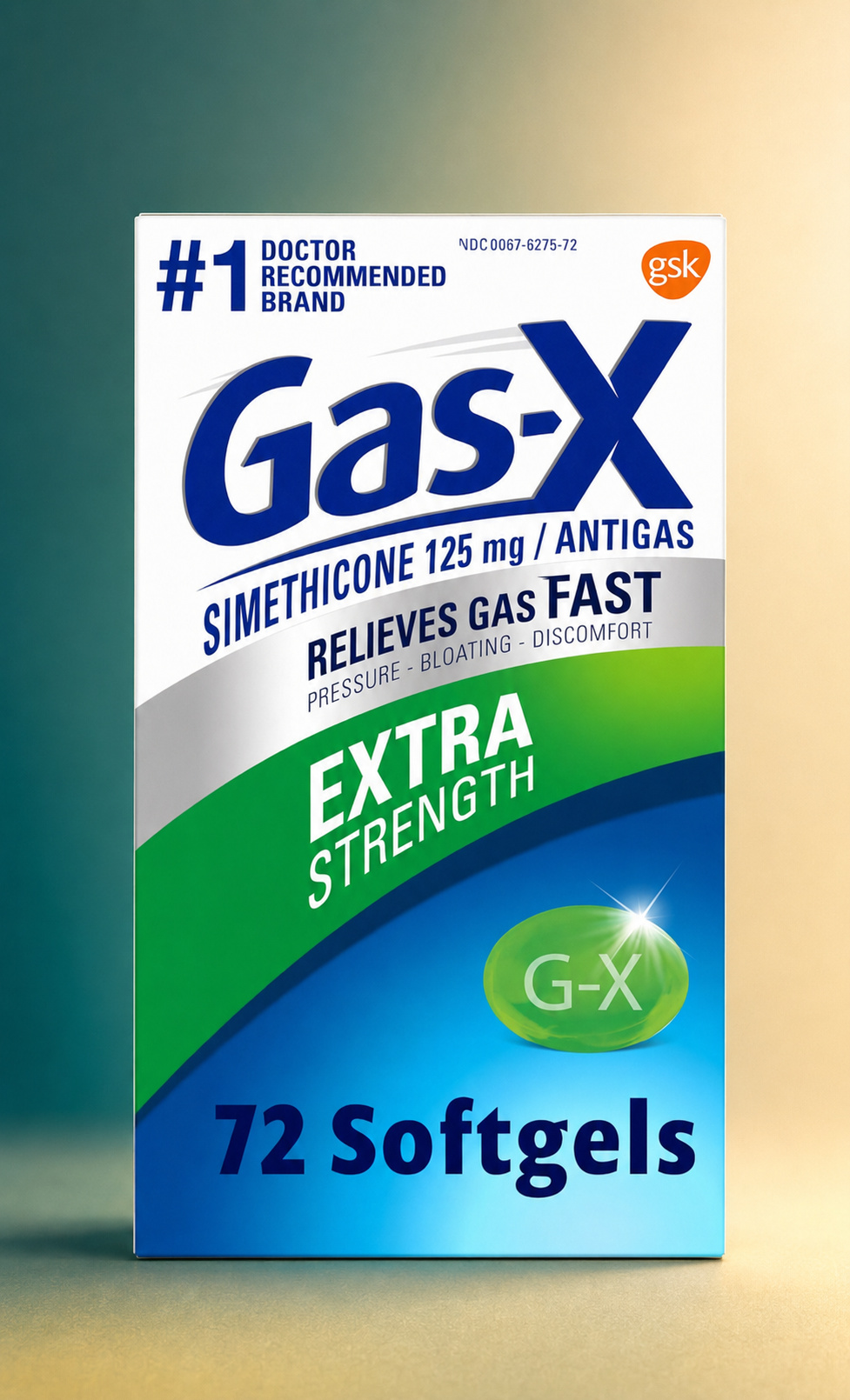
Box of Gas-X Extra Strength softgels

Gas-relief option

Post-operative gas discomfort can be surprisingly intense and is worth discussing before surgery.

Confirm the right product and dose with your care team.See the exact one ↗
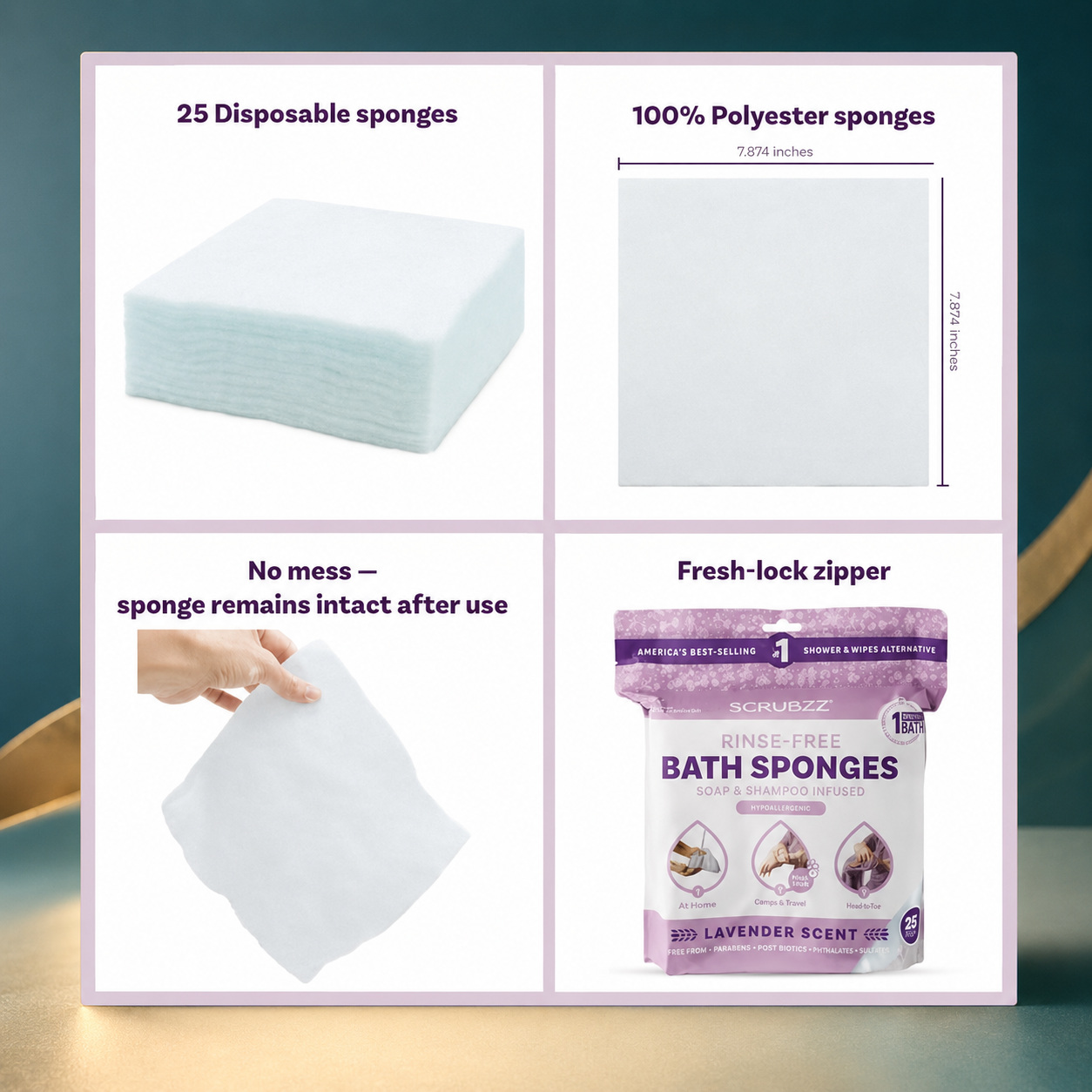
No-rinse bathing wipes for recovery hygiene

No-rinse bathing wipes

Provide a gentle refresh when a full shower feels like too much or is not yet permitted.

Choose a soft, skin-friendly option with no rinsing required.See the exact one ↗
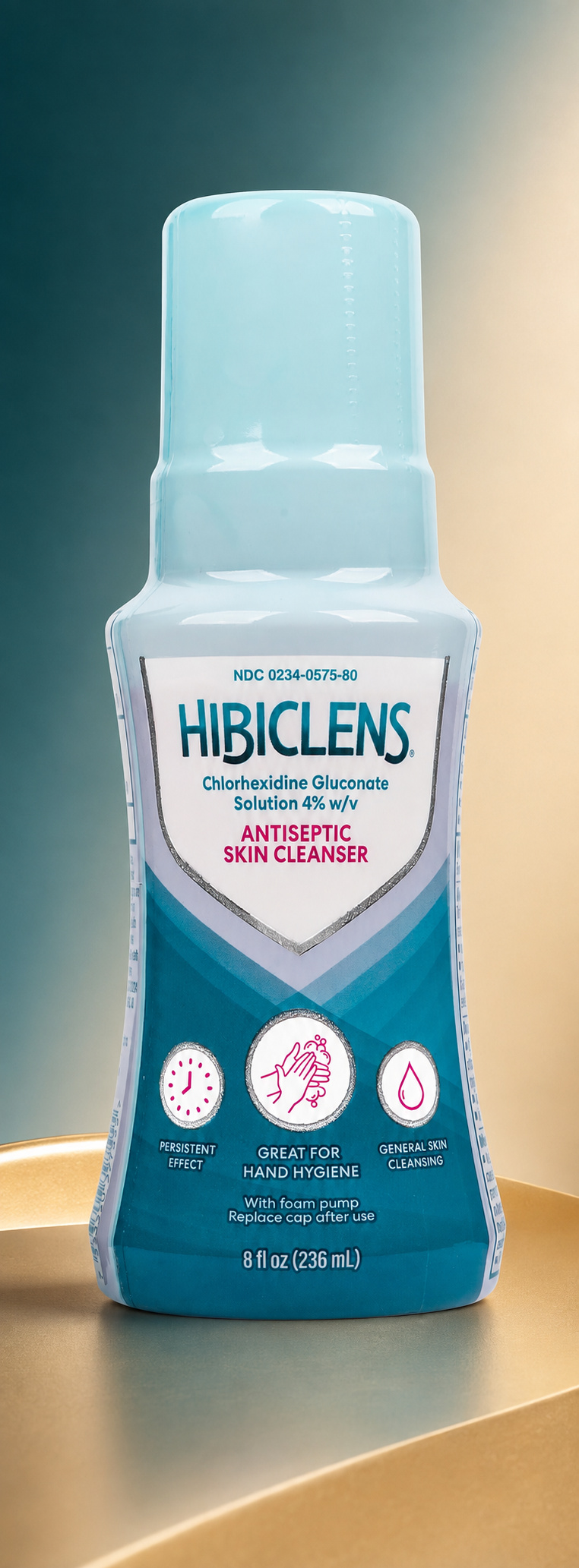
Bottle of Hibiclens antiseptic skin cleanser

Antiseptic cleanser

Some surgical teams recommend a specific cleanser before surgery or for carefully directed incision care.

Use only the product and method your surgical team specifies.See the exact one ↗
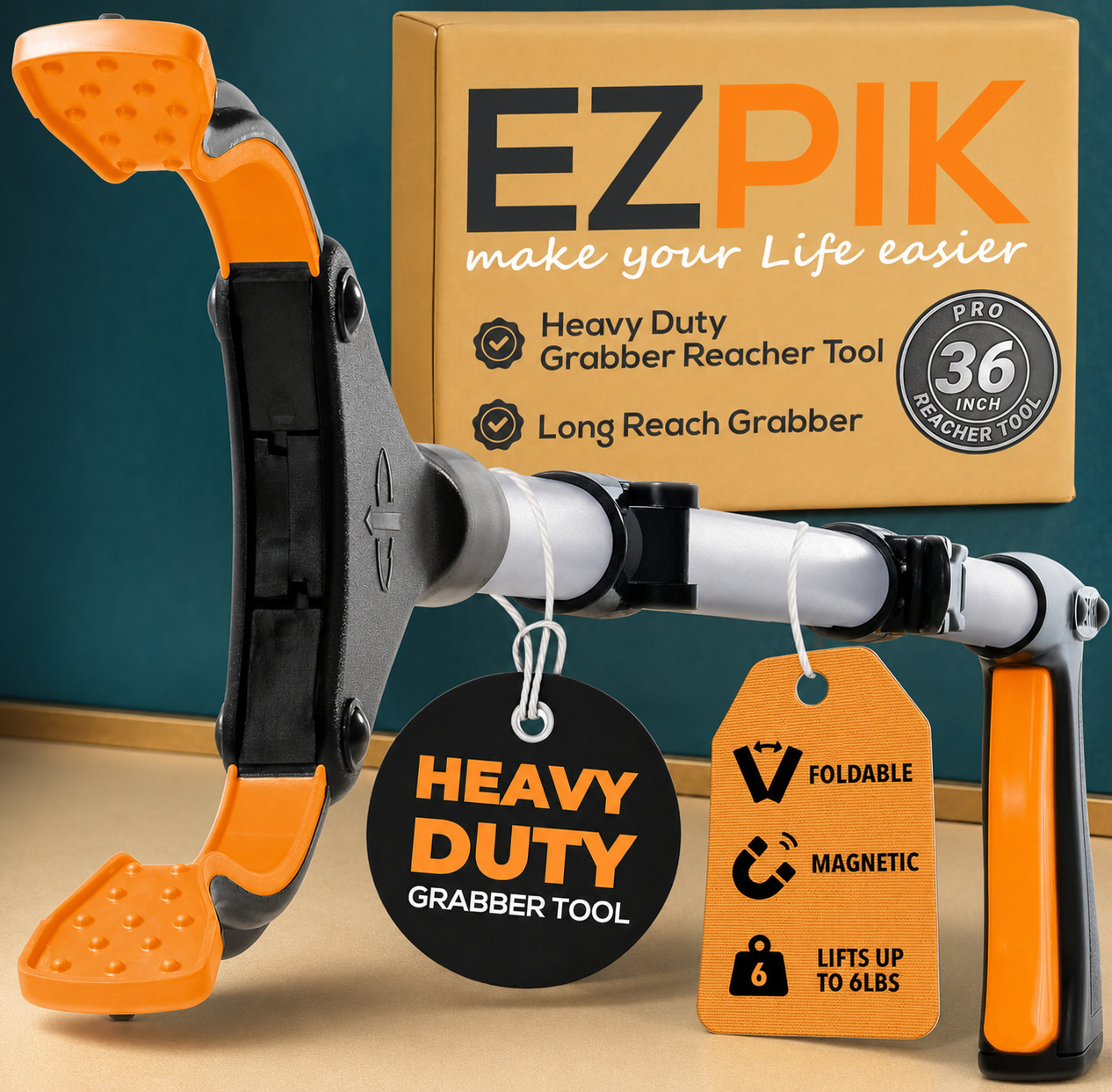
Long-handled grabber tool with orange gripping jaws

Long-handled grabber

Because I could not bend down, the grabber rescued dropped clothes, chargers, and everything else that suddenly landed on another planet—the floor.

It came in handy constantly and helped me avoid unnecessary bending and straining.See the exact one ↗

The first week

Hysterectomy Recovery Supplies for the First Week

The first-week setup should reduce reaching, bending, and mental load. Mine would include these basics, arranged before surgery.

01Written medication instructions and only the pain or gas-relief products your clinician approves

02Water in an easy-to-lift thermos, plus meals and household help planned with your care needs in mind

03An abdominal pillow for coughing, sneezing, car rides, and protection from accidental bumps

04A supportive sleep setup, loose clothing, no-rinse wipes, long cables, and a grabber

05Help with lifting, chores, and enthusiastic pets—Rory did not understand “fresh incision” as a concept

A direct answer, with an important caveat

Heat or Ice After a Hysterectomy?

Short answer: follow your own discharge instructions. The surgical route, incision, and your health history matter.

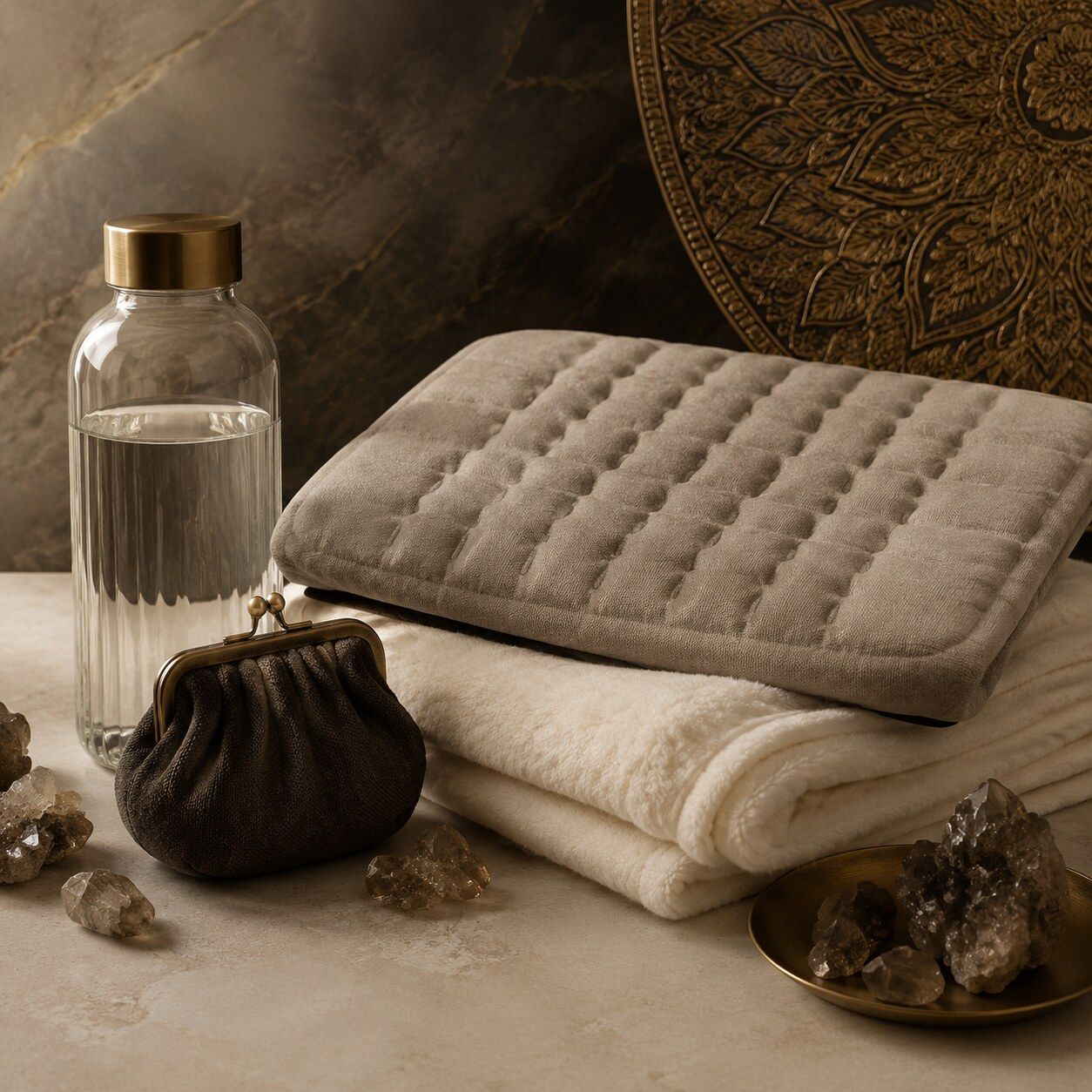
MedlinePlus notes that an ice pack may help pain at the surgical site during the first couple of days after an abdominal hysterectomy. Use cold only as your care team directs, protect your skin, and keep the incision dry. Heat may feel soothing for muscle tension later, but I would not place it over a fresh incision or sleep on it; ask your surgeon when and where heat is safe for you.

Contact your care team for worsening or uncontrolled pain, fever, concerning bleeding, or an incision that is red, hot, bleeding, or draining. Chest pain or trouble breathing needs urgent medical care.

Read MedlinePlus abdominal hysterectomy discharge guidance ↗

More soft-waistband diplomacy

See the complete comfy recovery clothes guide.

Find recovery clothes

What no one explained

Hysterectomy Recovery Tips

01

Raise everything before surgery.

Bending and leaning may be uncomfortable during recovery. Waist level becomes prime real estate.

02

Test the furniture fit.

Make sure the table base clears your bed, couch, or recliner before you need it.

03

Pockets are not optional.

They keep a phone and tissues close when getting up already feels like an event.

04

Protect your abdomen from surprises.

Coughs, sneezes, car bumps, pets, and children can make abdominal support especially useful.

05

Plan for your real sleep habits.

Side sleepers may benefit from a setup that makes an uncomfortable half-asleep roll less likely.

06

Expect waistband tolerance to change.

Bloating can last beyond the first few days, so soft, flexible clothing may matter longer than expected.

The complete recovery edit

Want to browse the full recovery list?

Shop the complete list

#ad As an Amazon Associate, I earn from qualifying purchases.

More from Rory & Me

Related articles

More on the same recovery, wellness, lifestyle, or Rory-sized problem.

Hysterectomy preparation checklist styled with smoky quartz and a gold mandala

The Hysterectomy Prep Checklist

What to do, buy, and set up before surgery—while bending over is still an option.

Get the checklist
Cream and charcoal recovery clothes styled with smoky quartz and a gold mandala

What to Wear After a Hysterectomy

Soft, loose recovery clothes for when waistbands become the enemy.

See what to wear